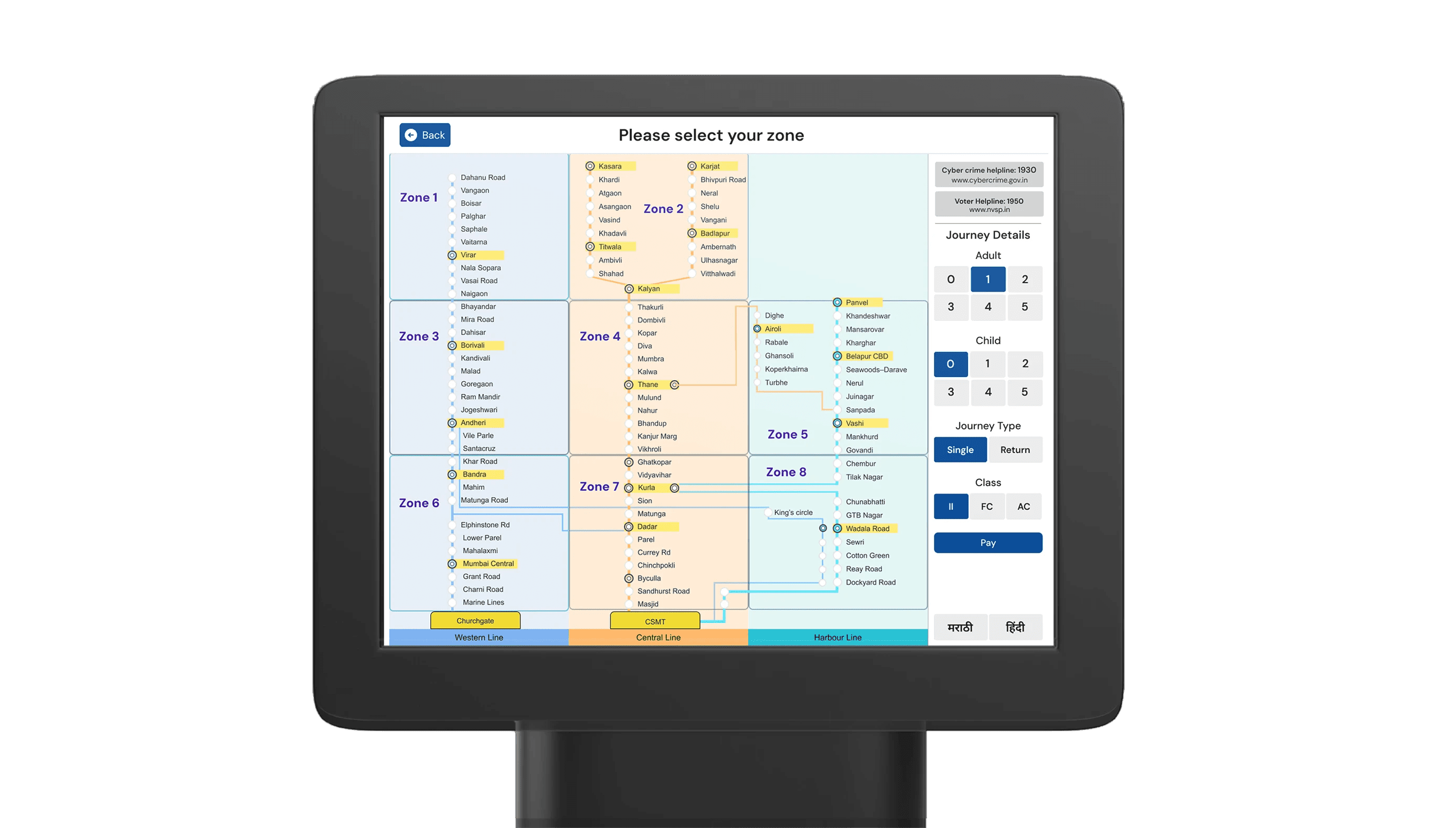
Start Point
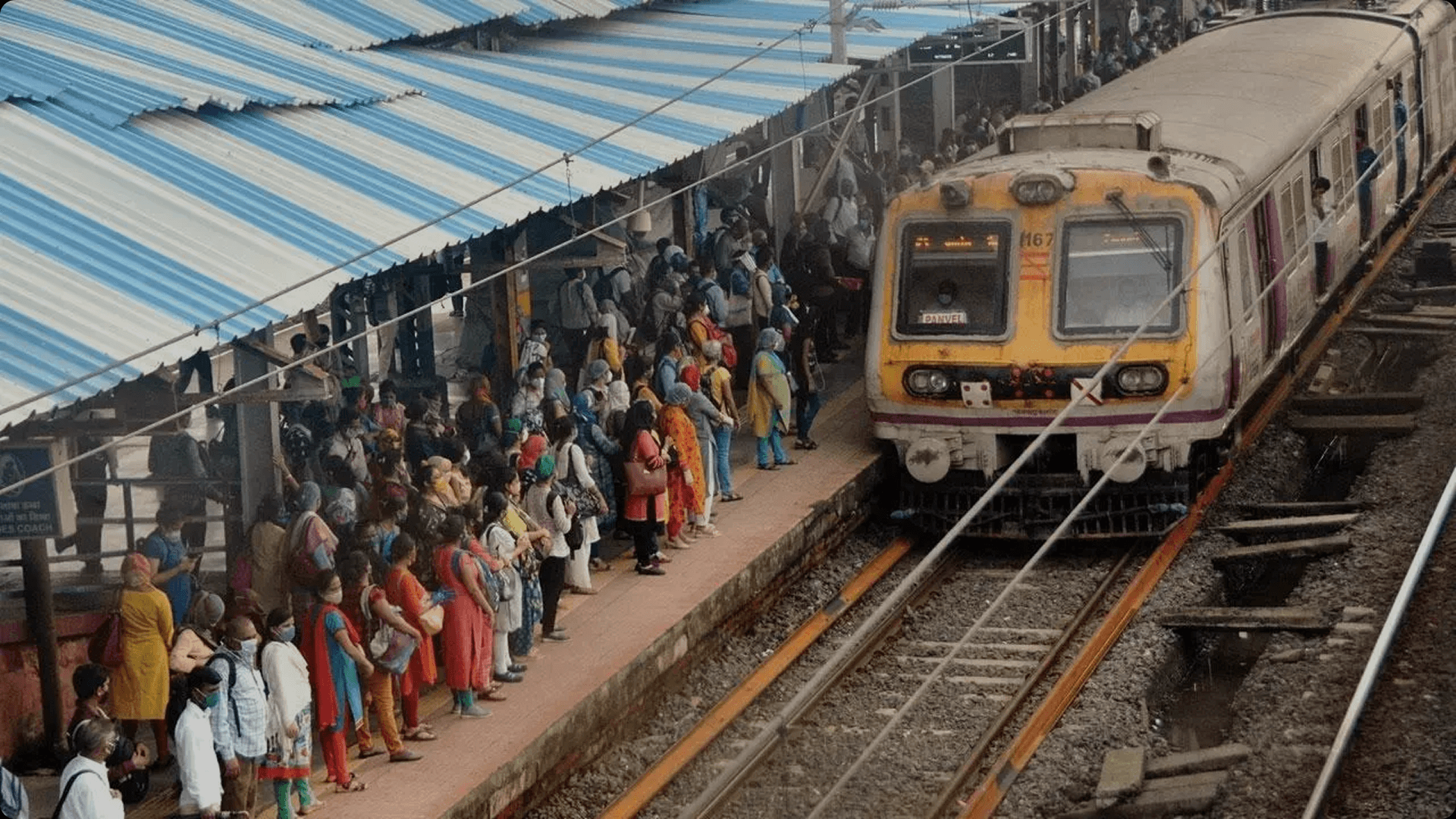
Ticket counters
traditional offline counters
UTS Mobile App
enabling digital bookings through smartphones.
Smart Cards
rechargeable cards for faster tap-and-go transactions
ATVM Kiosks
self-service machines to reduce queues and speed
up the process.
Research
Alternative service
System provides an alternative to traditional ticket counter queues.
Limited adoption
Only 20-25% of commuters have tried using the ATVM system.
Wide coverage
ATVMs are available across all 119 local railway stations in Mumbai.
Facilitator impact
Adoption rates fell dramatically after human facilitators were removed.
User assistance
Human support proved crucial for encouraging commuter engagement with ATVMs.
Interface struggles
Many commuters find the ATVM interface difficult to navigate.
Persona 1:
Aakash
Age: 34

Goals: Book tickets while multitasking during calls or breaks.
Behaviours: Gets irritated when multiple screens slow him down
Triggers: Rush hour with limited time between train arrivals
Frustrations: Small touch targets → frequently wrong selections
Persona 2:
Vanshika
Age: 20

Goals: Get a valid train ticket in under ~30 seconds end-to-end
Behaviours: Often remembers to book on UTS only after reaching the station
Triggers: UTS geofencing / unavailability forces
ATVM kiosk usage
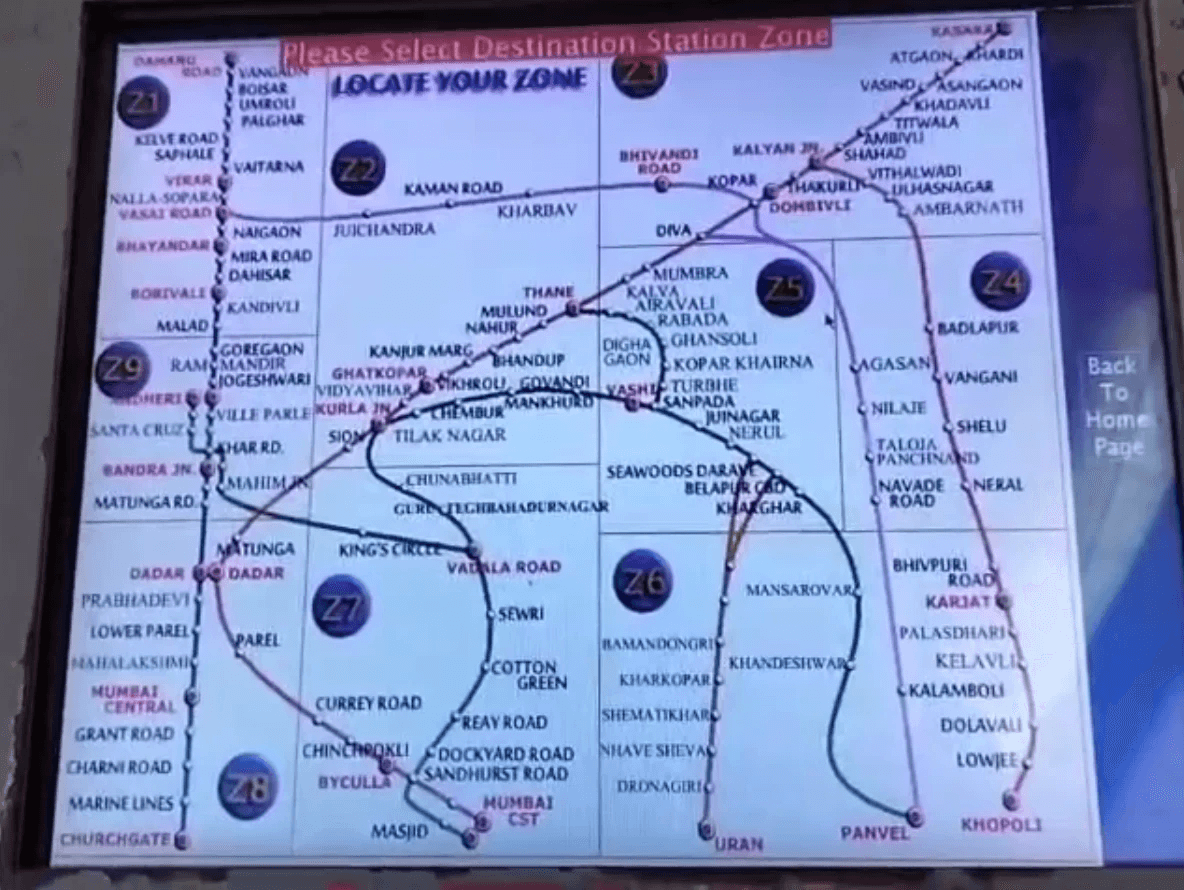
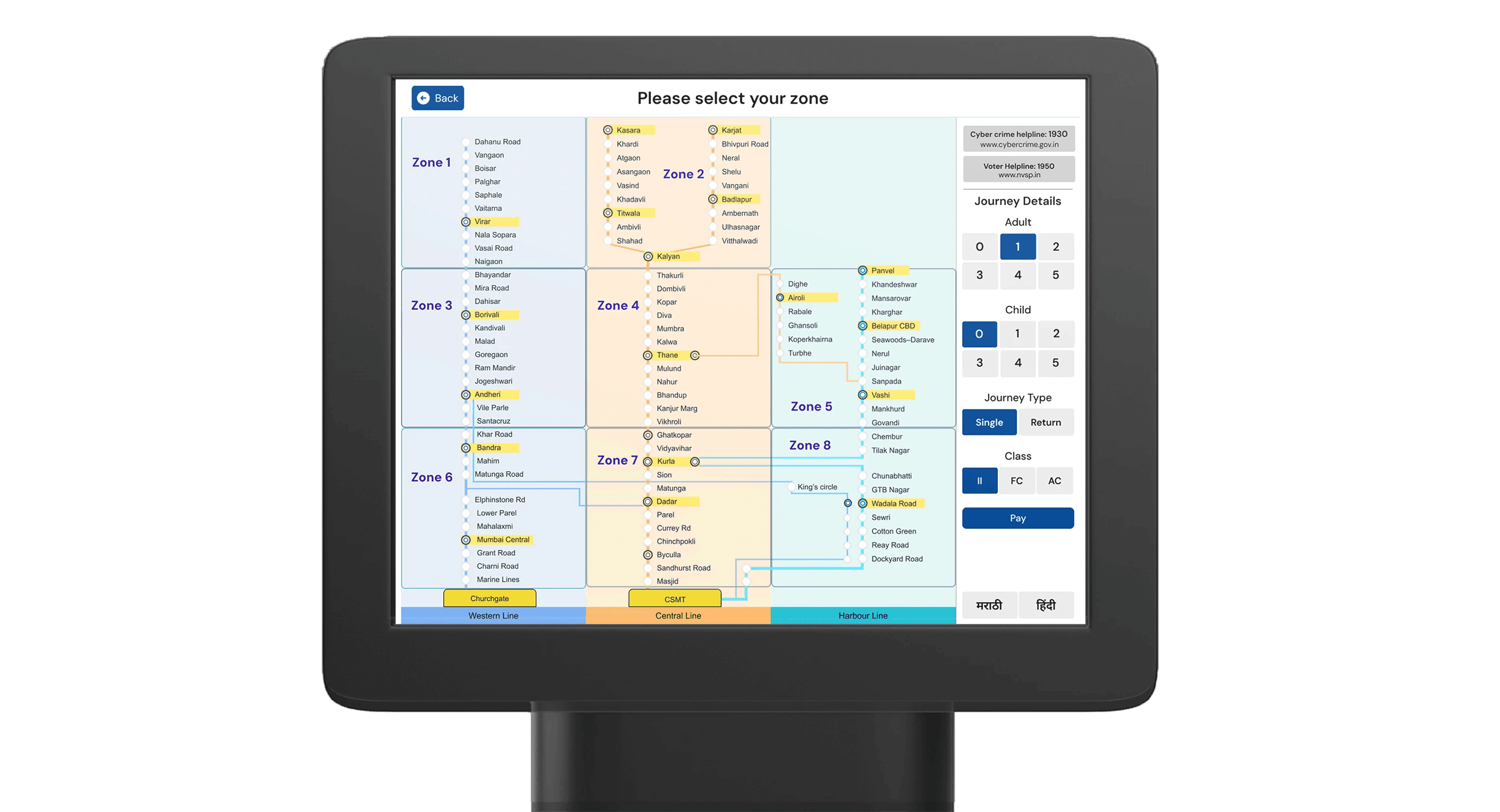
Frustrations: ATVM station map overload leads
to hesitation
Persona 3:
Ashok
Age: 34

Goals: A simple and dependable way to buy tickets without stress
Behaviours: Reads the screen slowly; prefers clear labels over icons
Triggers: Kiosks without staff support
Frustrations: Too many station names visible
at once
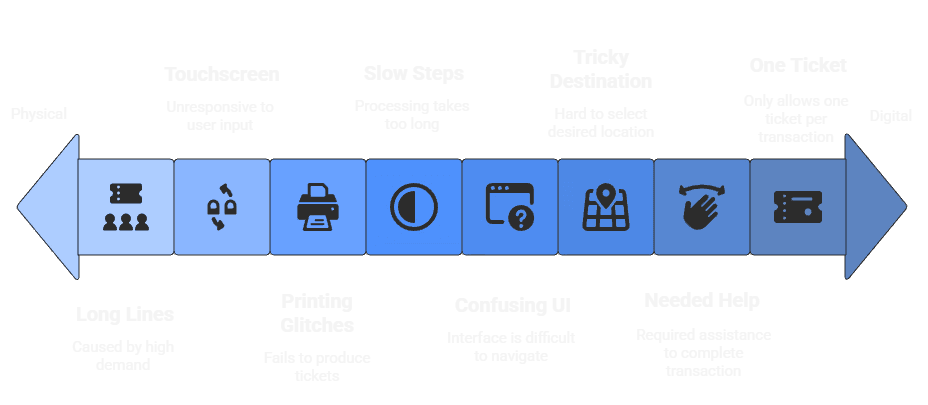
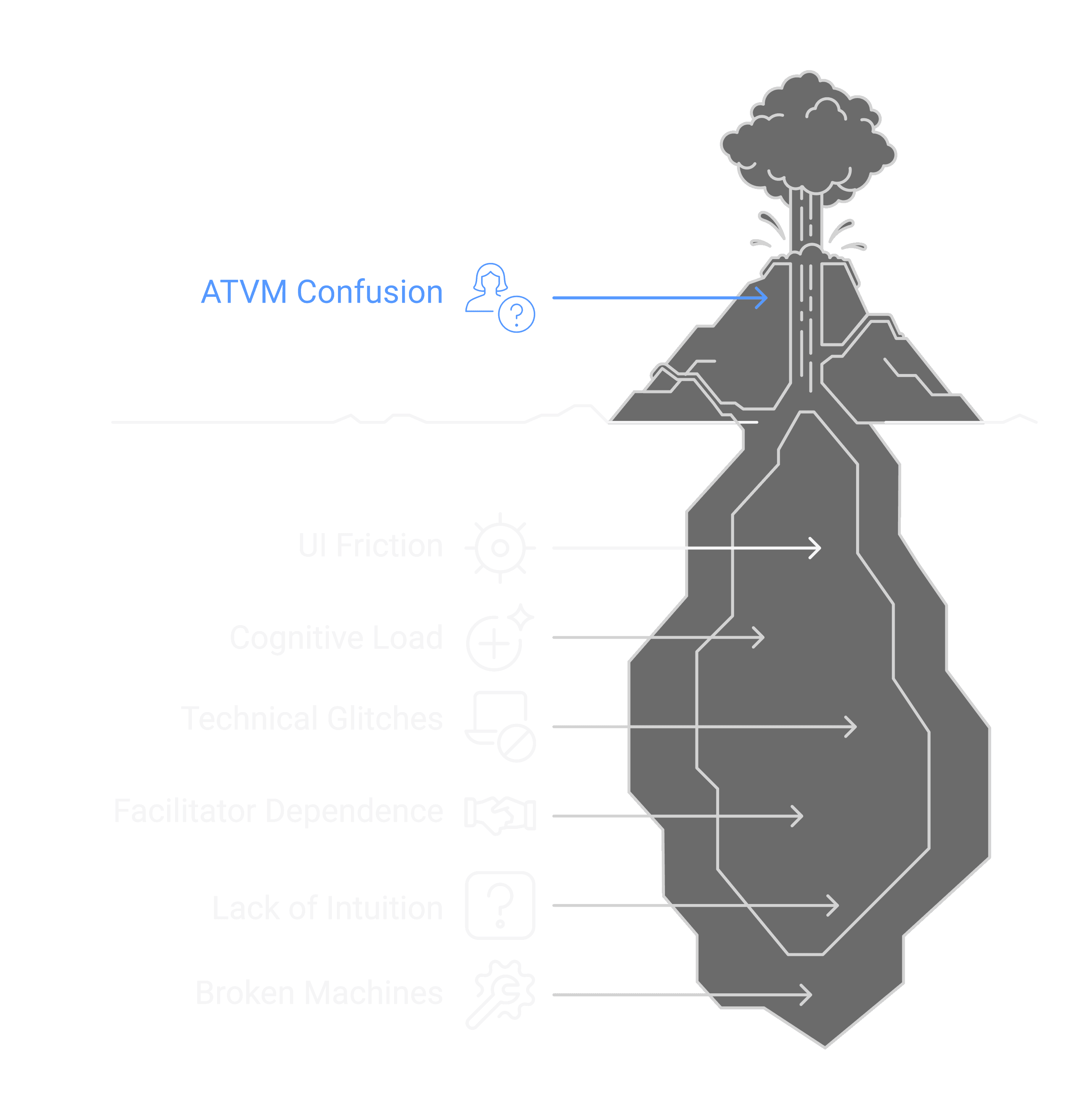
Problem Statement
Why the volcano erupts?
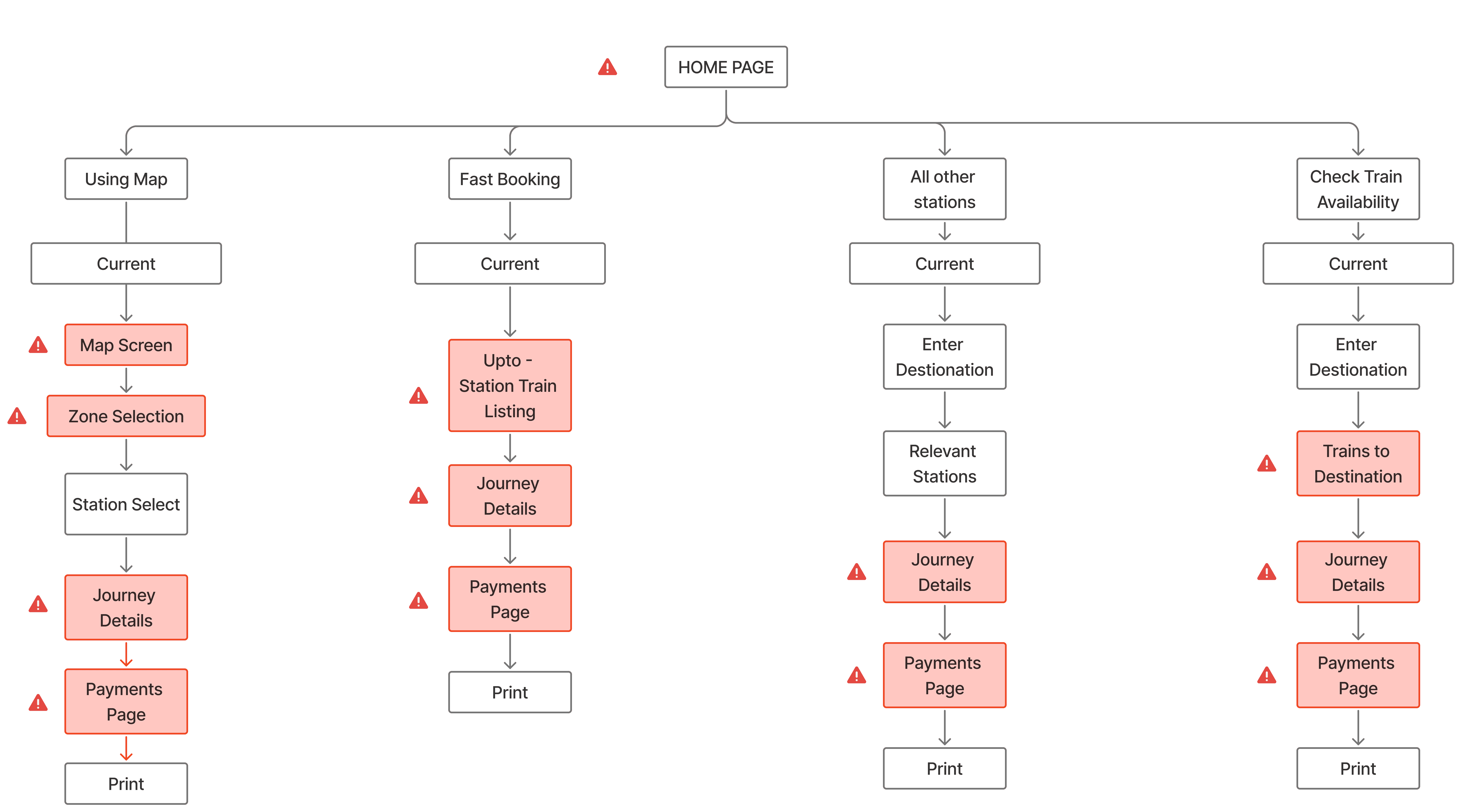
Journey mapping

These marked screens are observed to cause user struggles becuase of UI and ATVM Heuristic problems
Heuristic Evaluation
01
Keep visuals clean and focused
02
Ensure strong visibility & contrast
03
The interface should be multilingual
04
Communicate both visually and verbally
05
Guide users before they start
06
Make actions and touch areas obvious
07
Keep steps minimal and direct
08
Show progress and transaction feedback
09
Help users recover from mistakes
10
Prevent critical errors and confusion
11
Reveal the journey ahead
12
Design for speed and patience
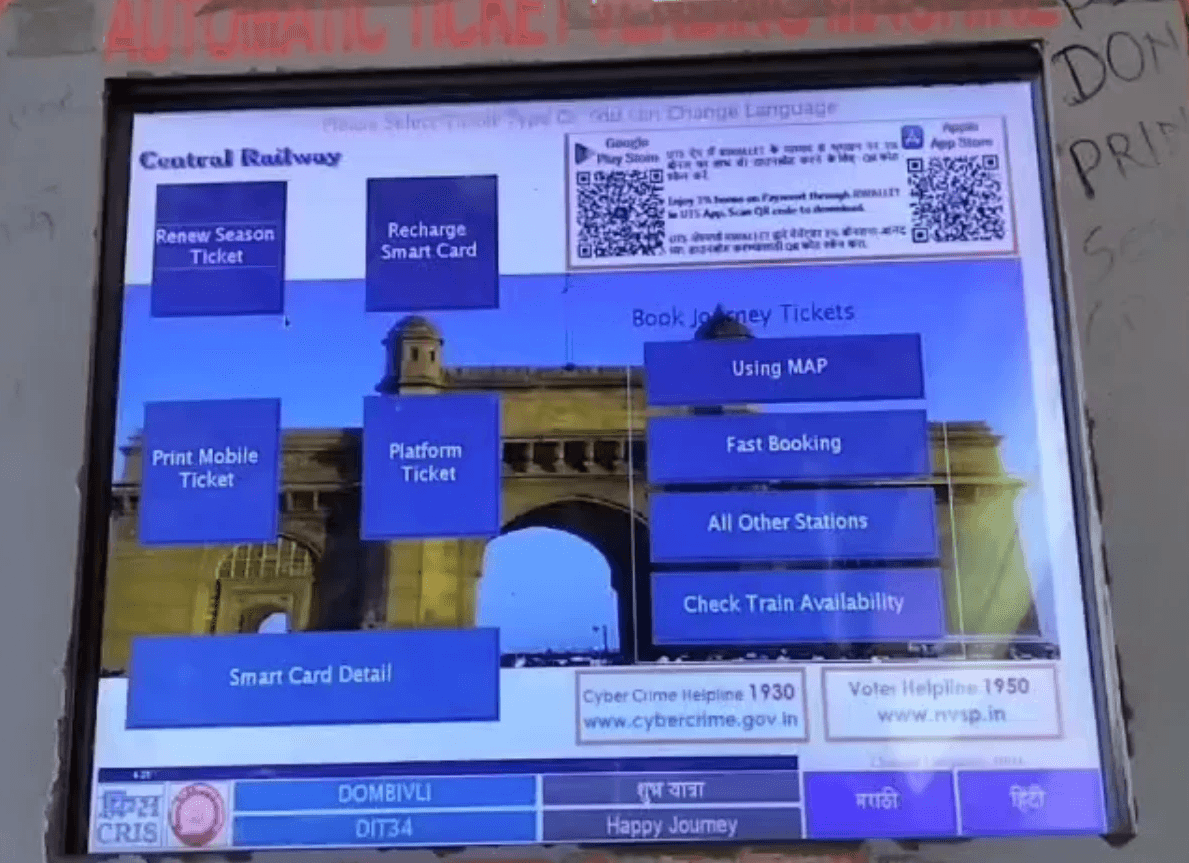
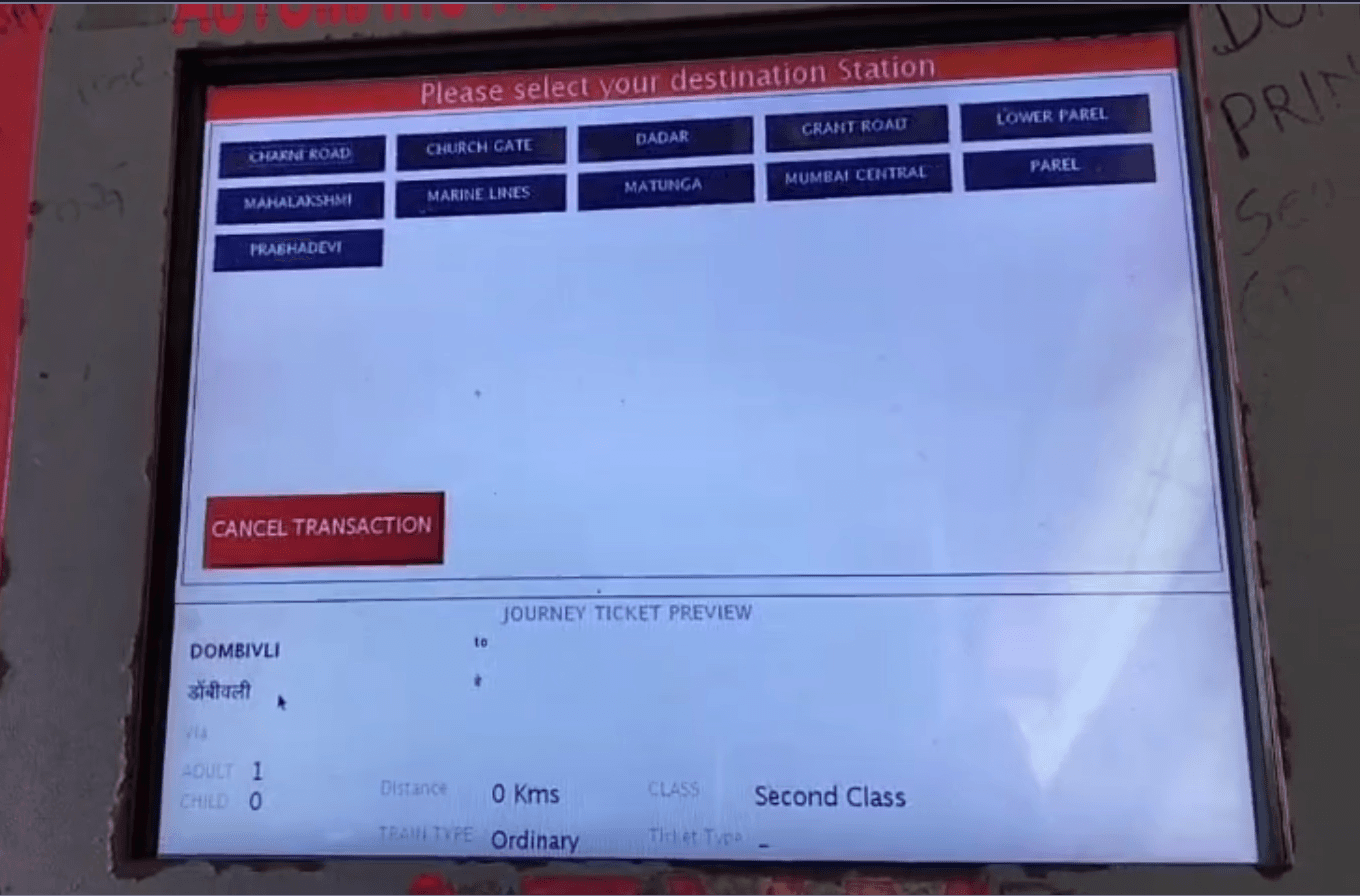
Before
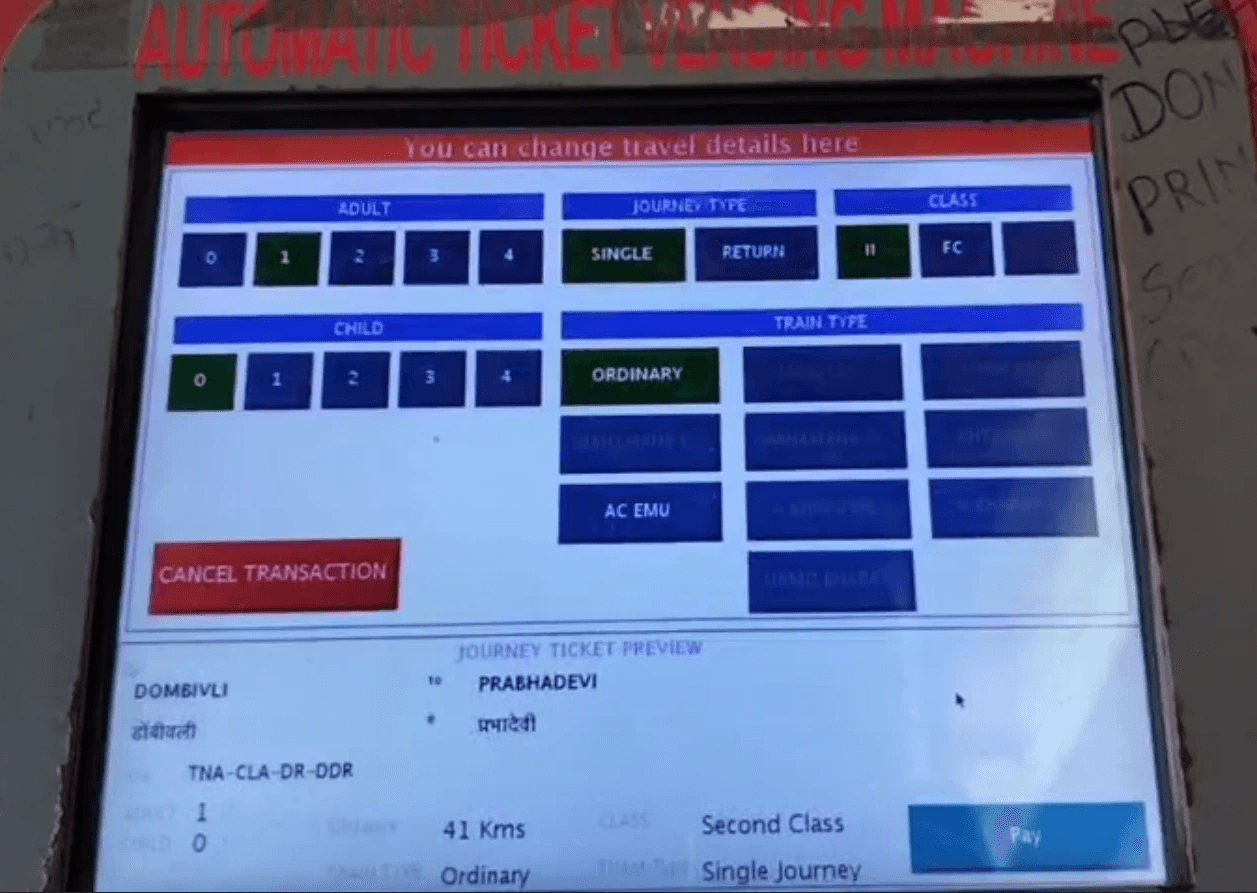
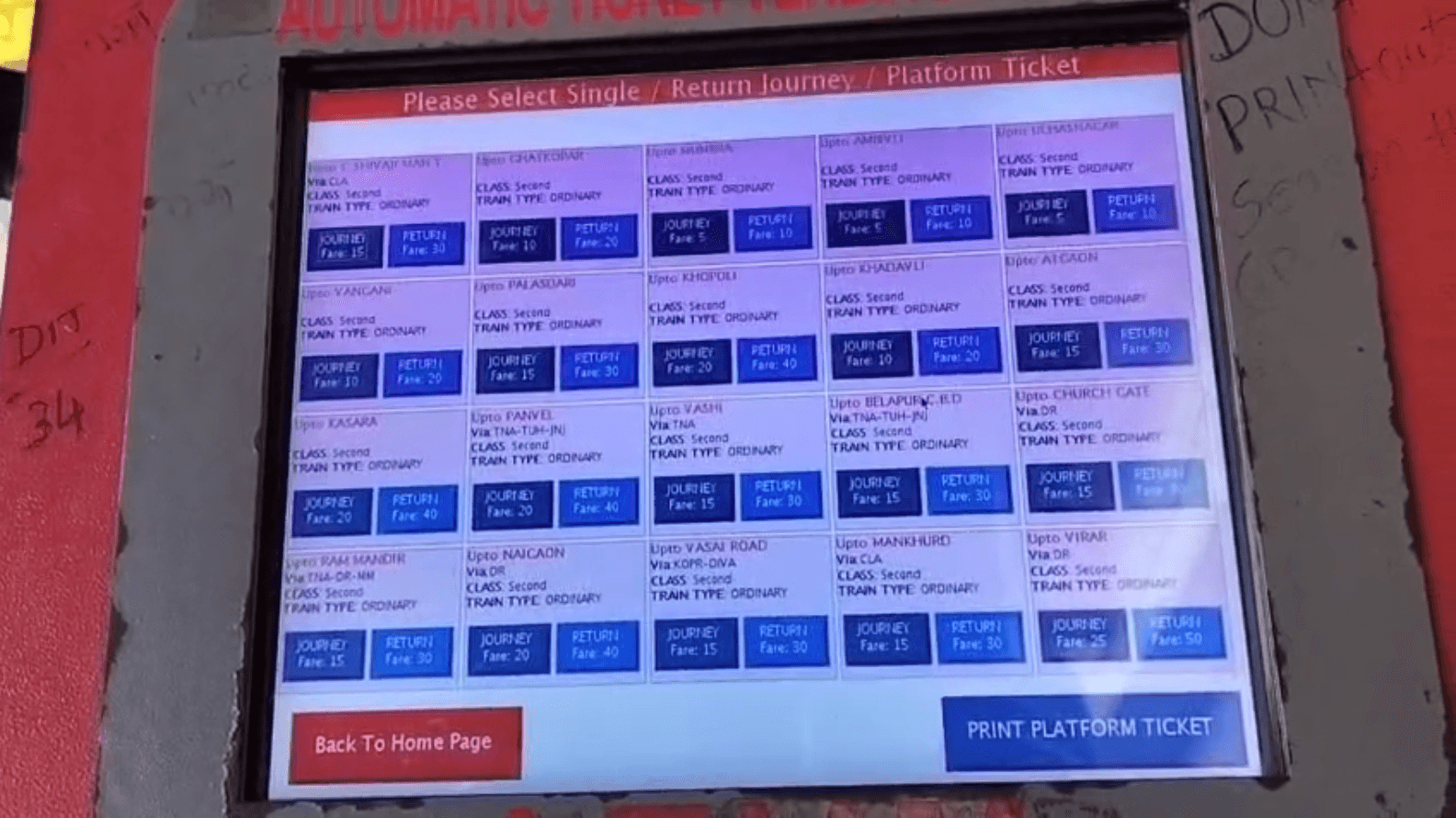
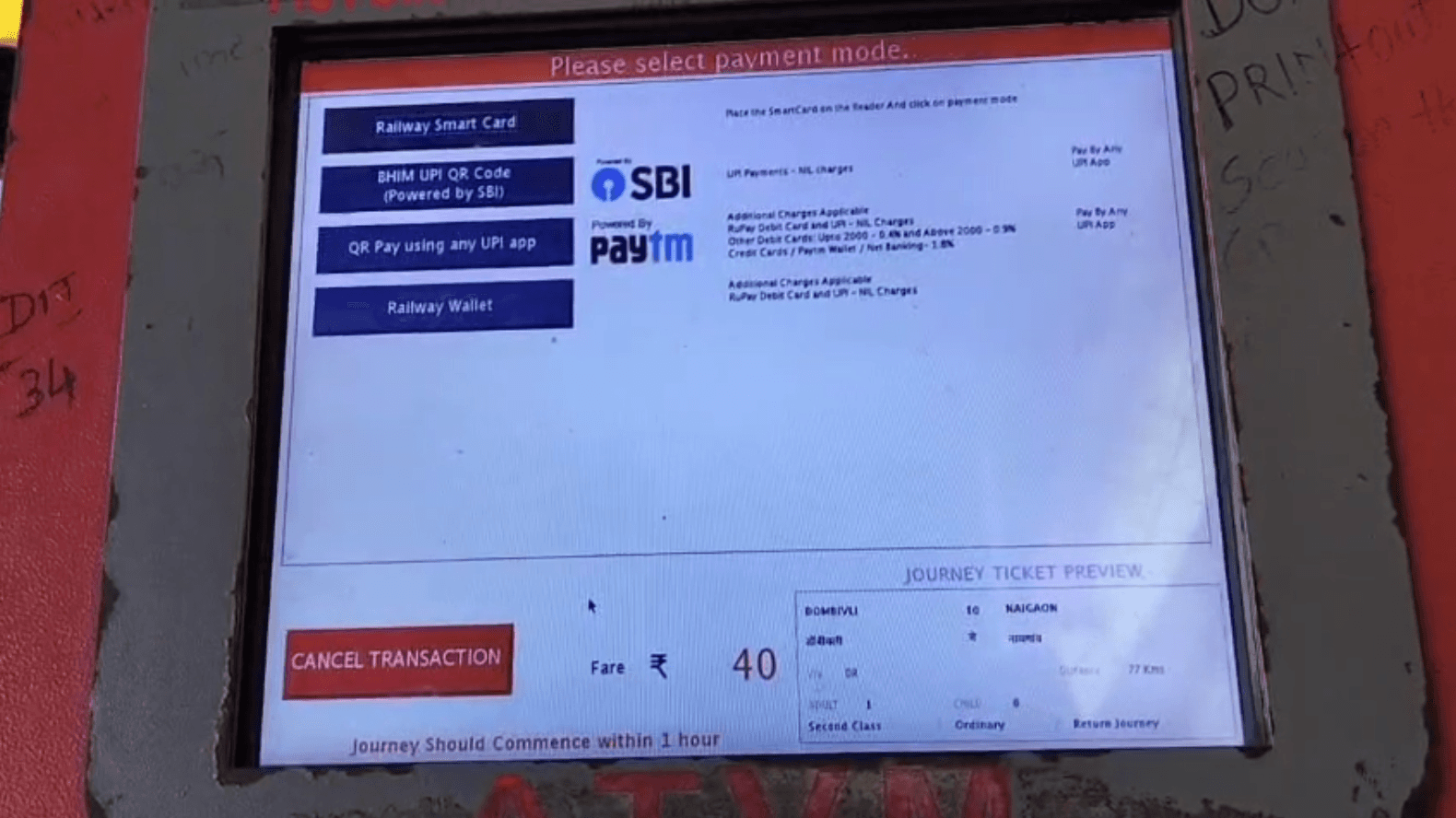
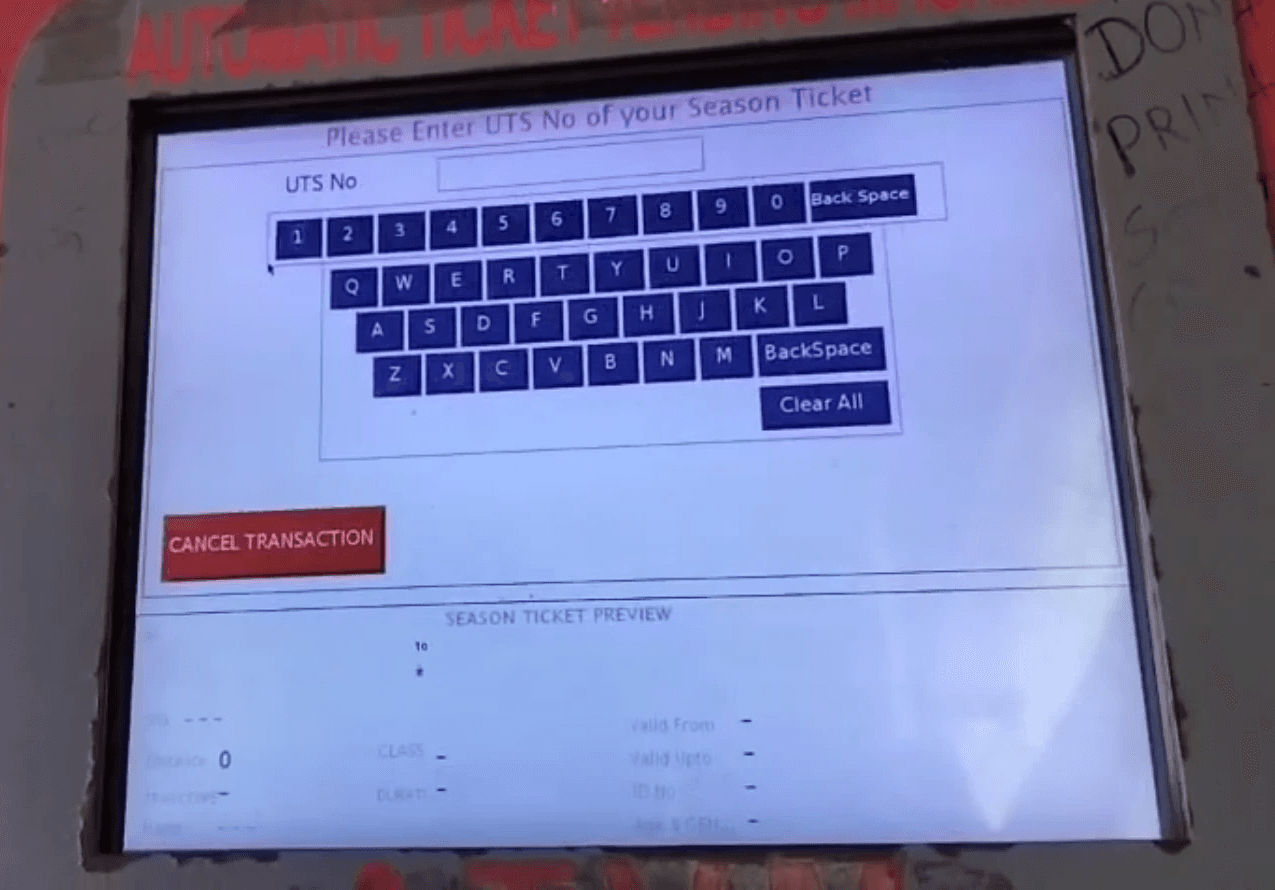
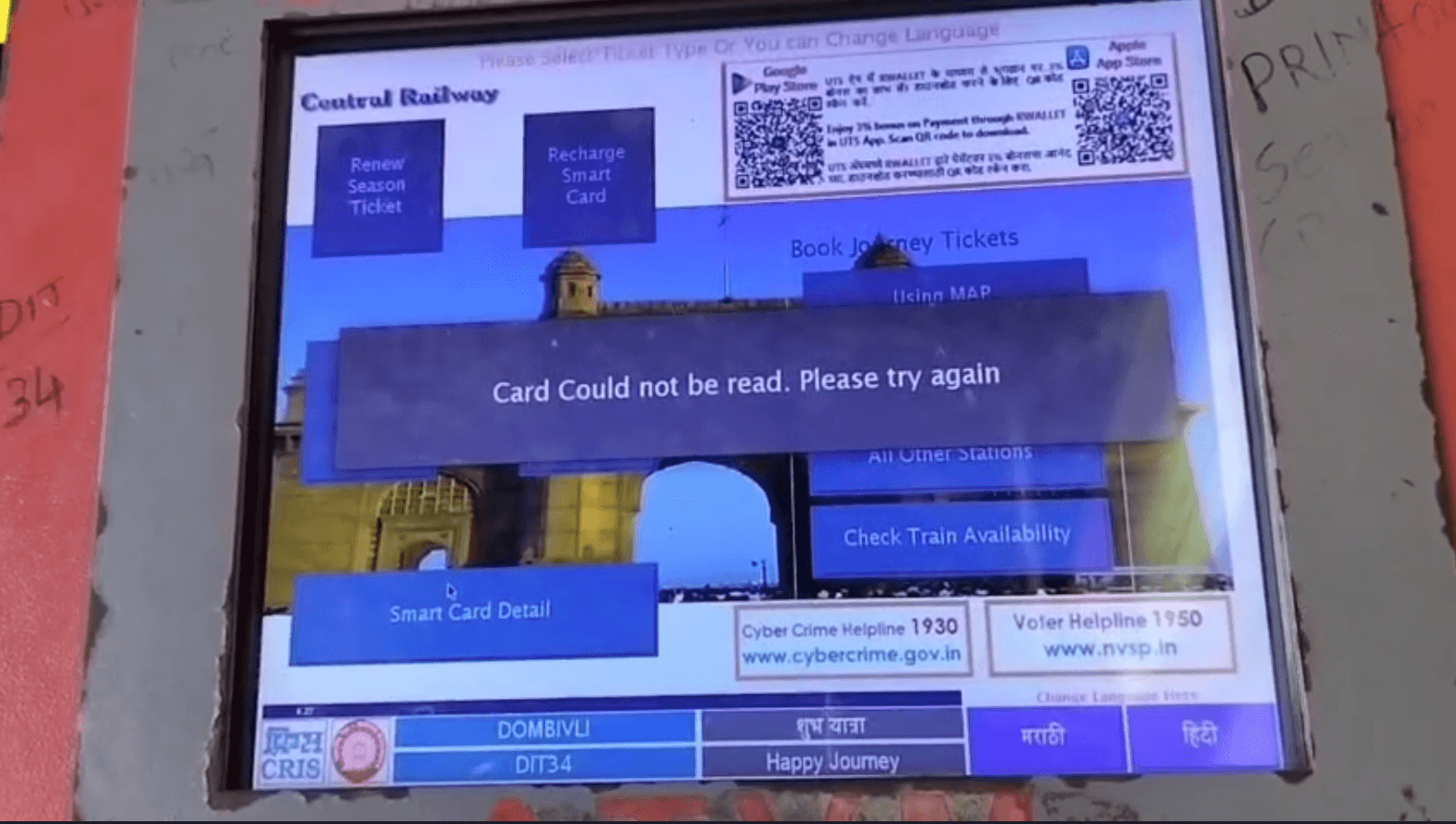
Journey mapping
Problems identified
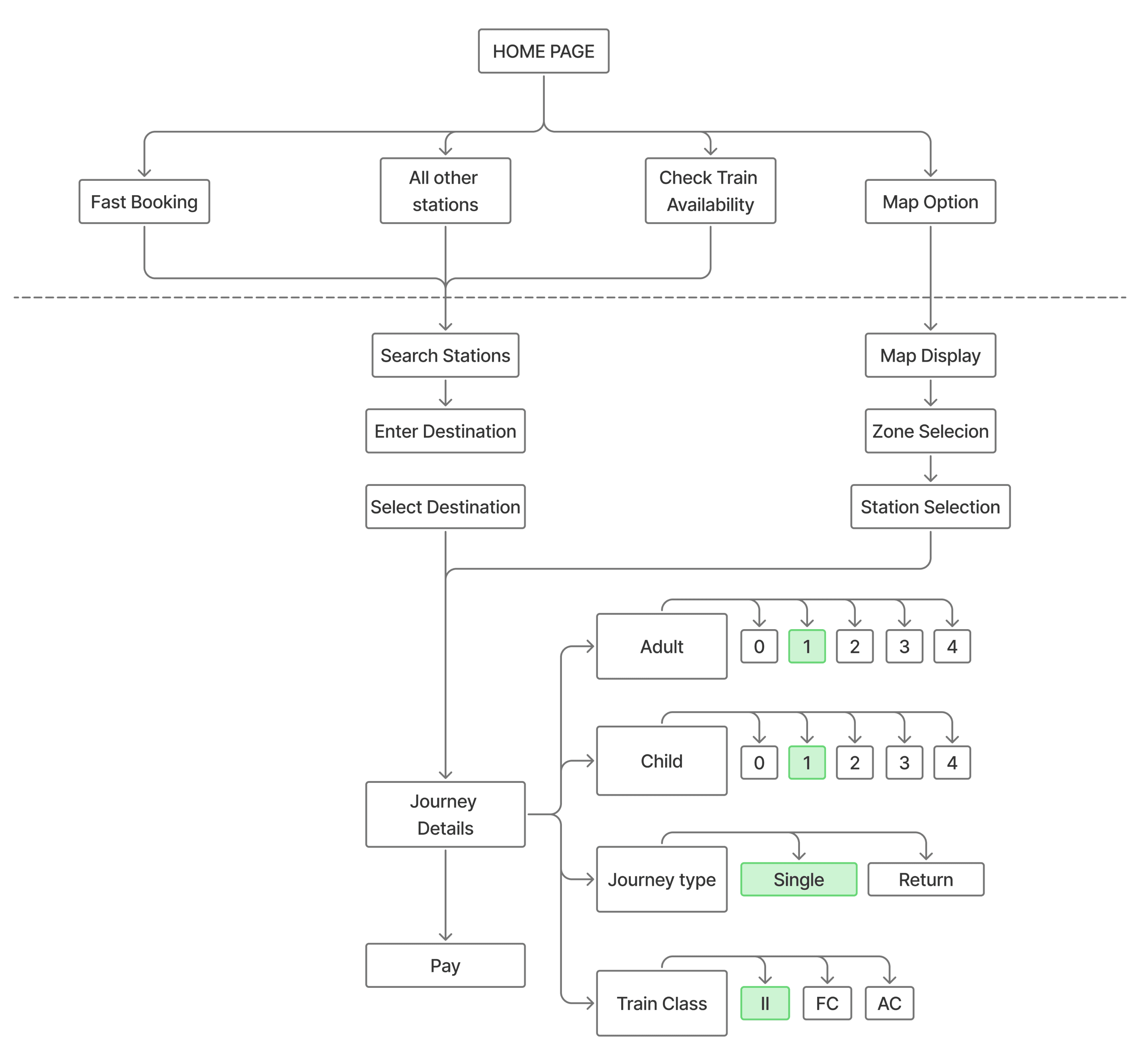
How might we?
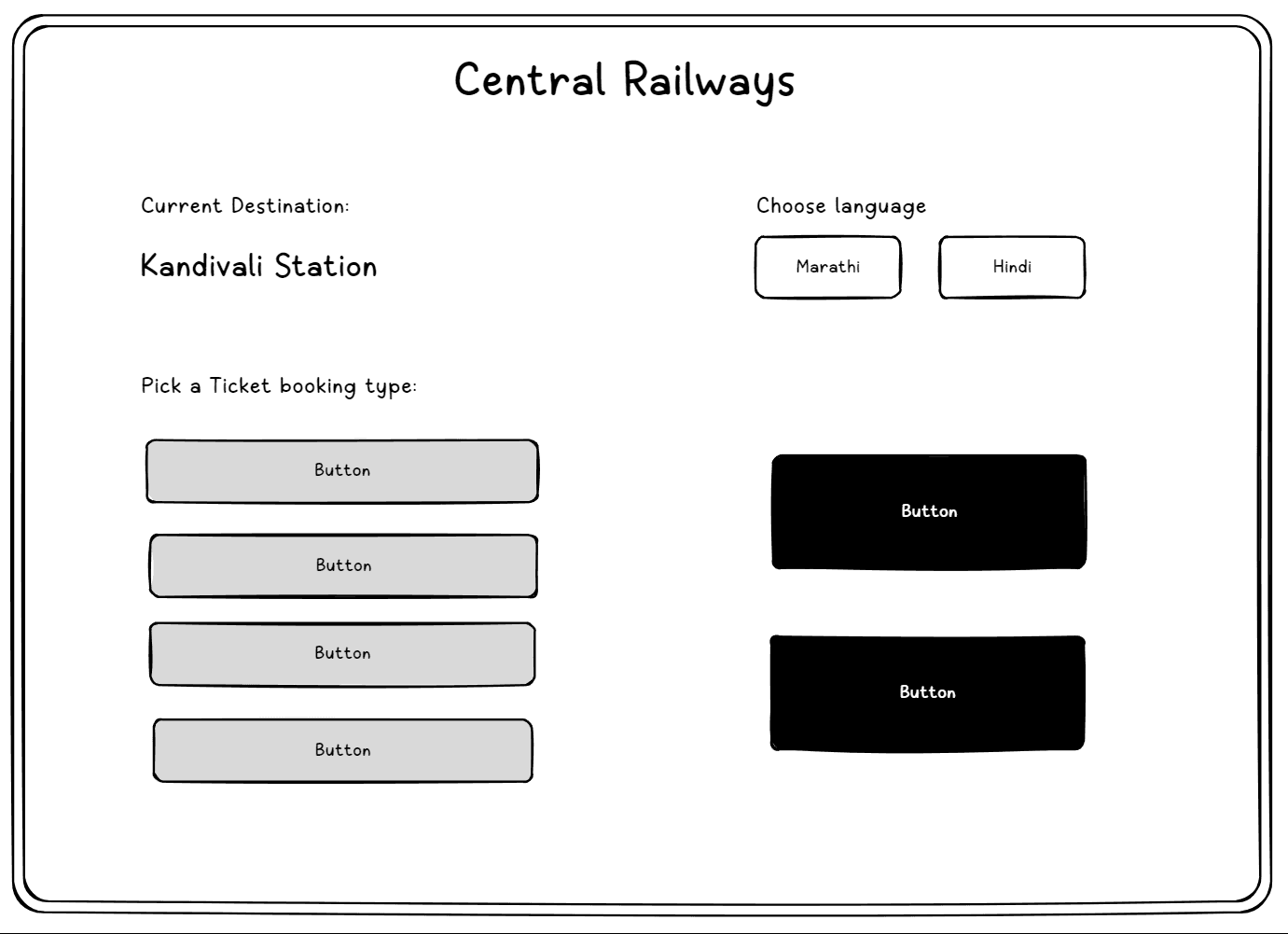
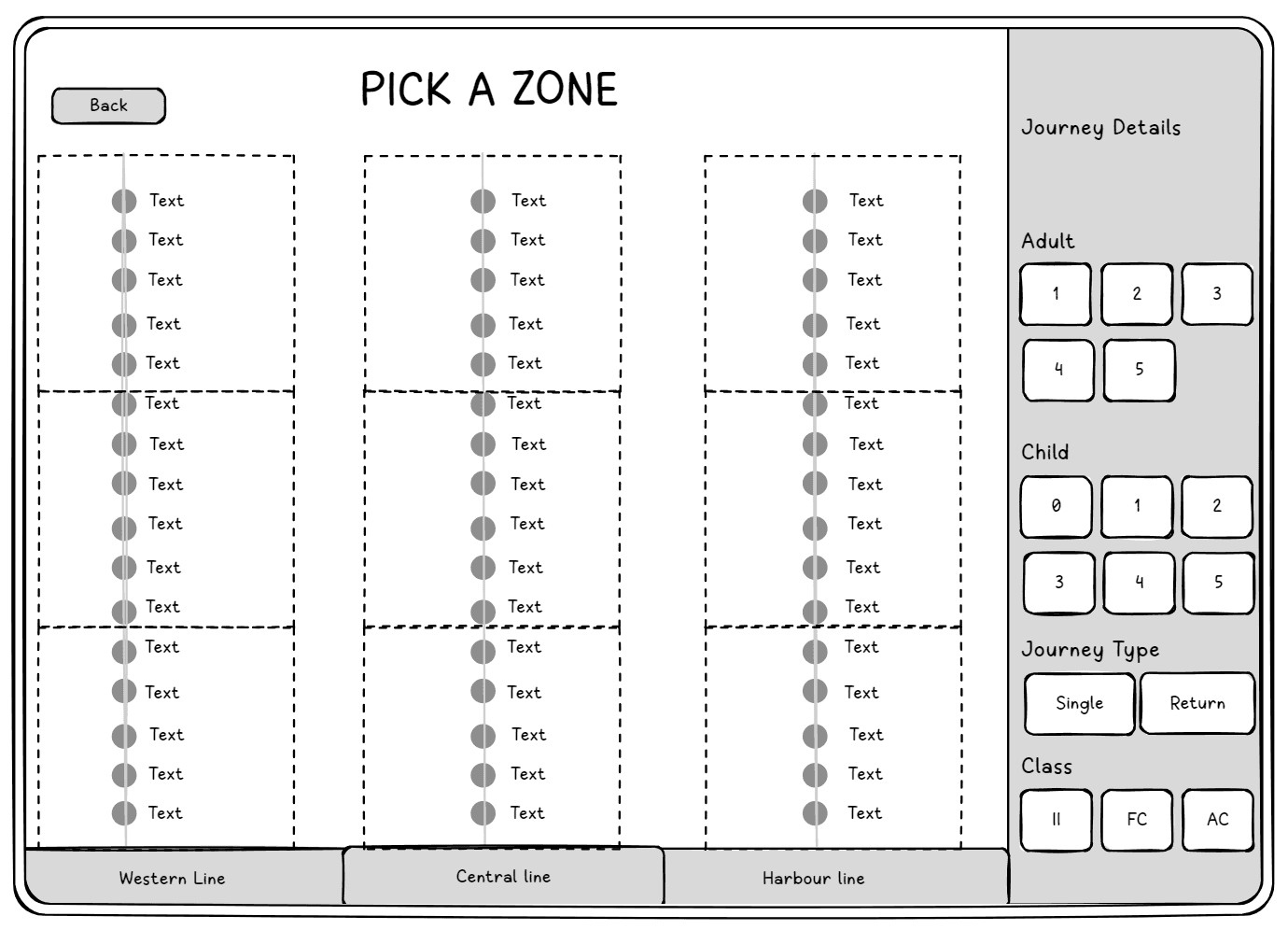
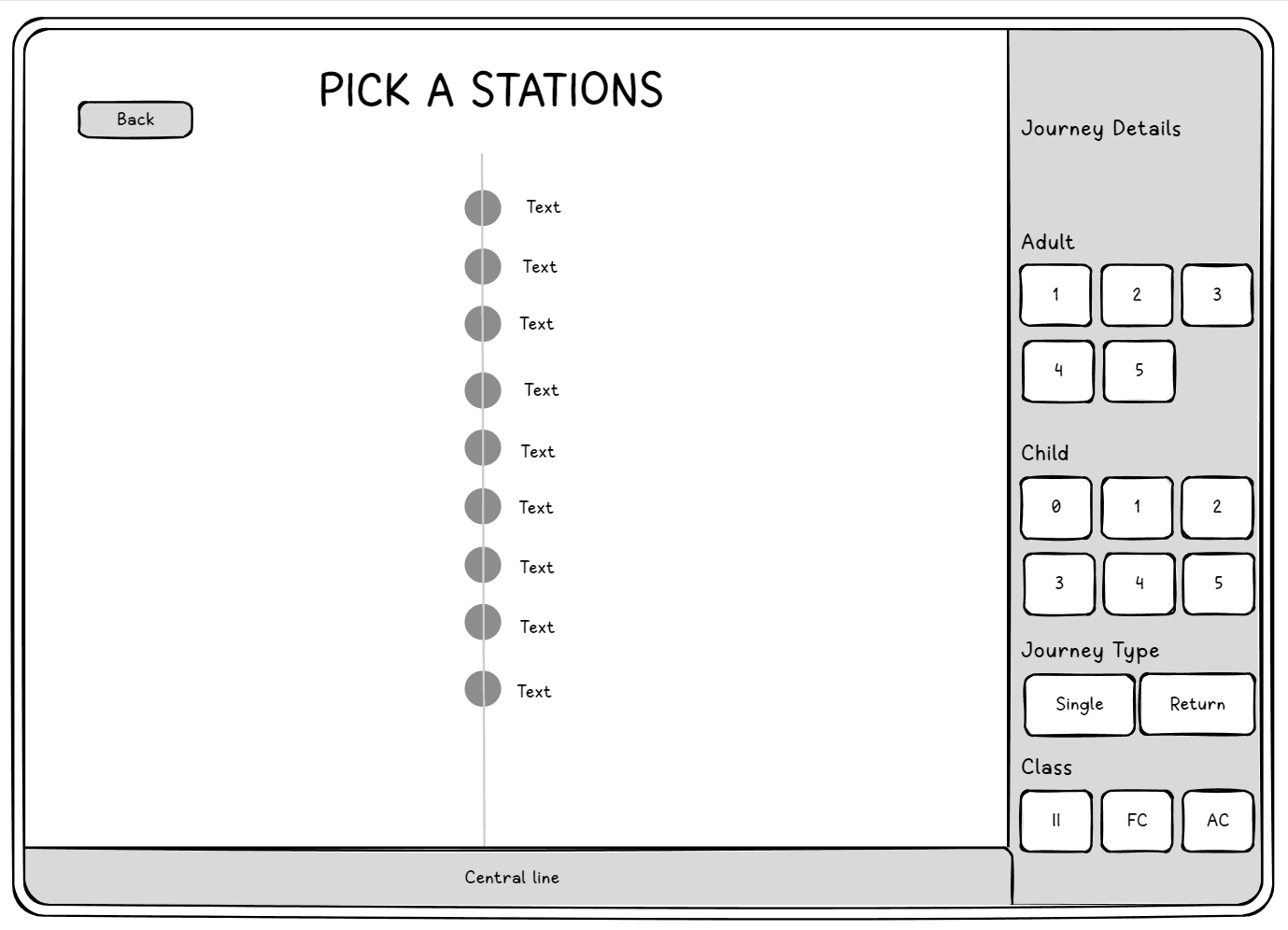
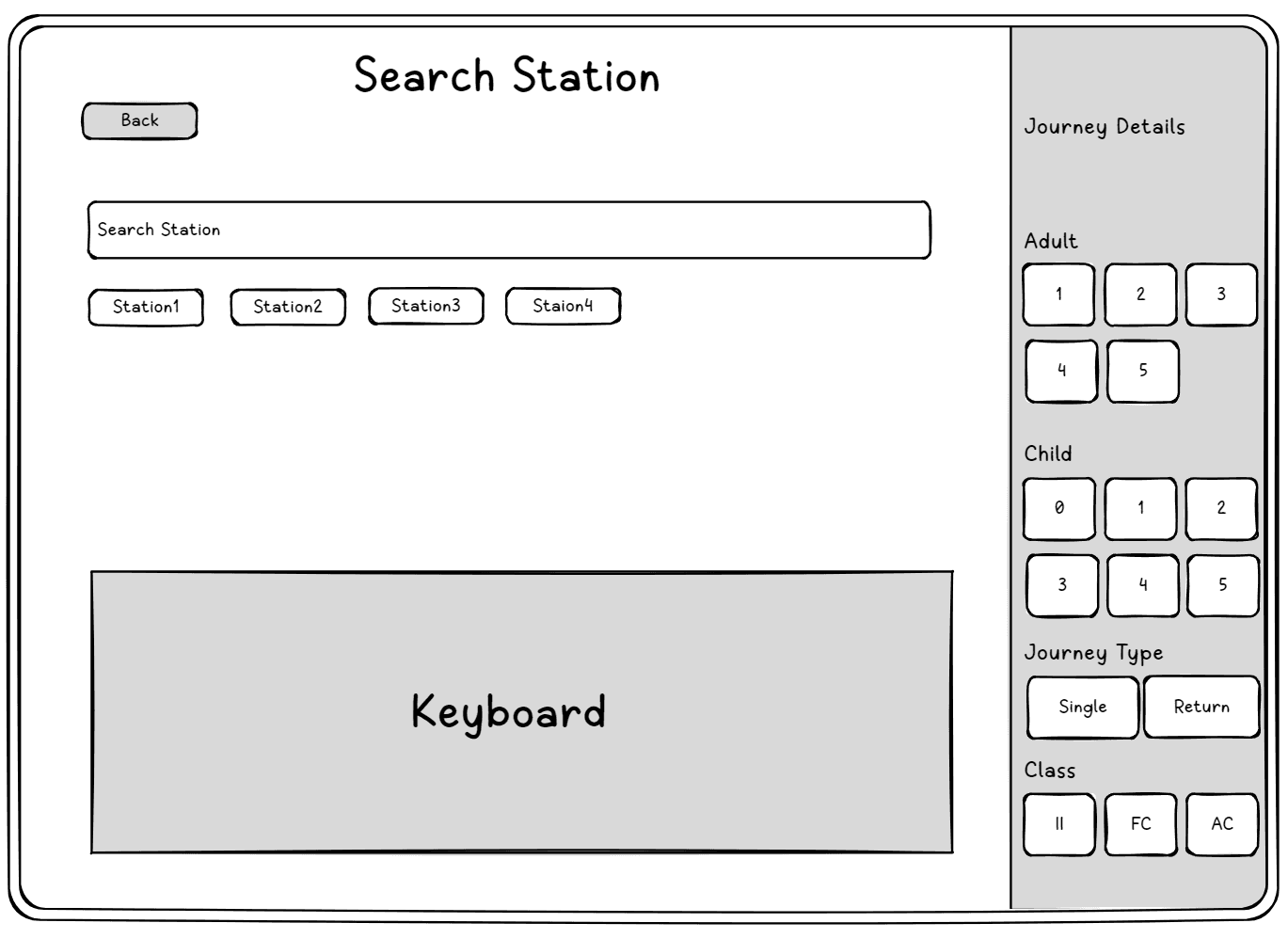
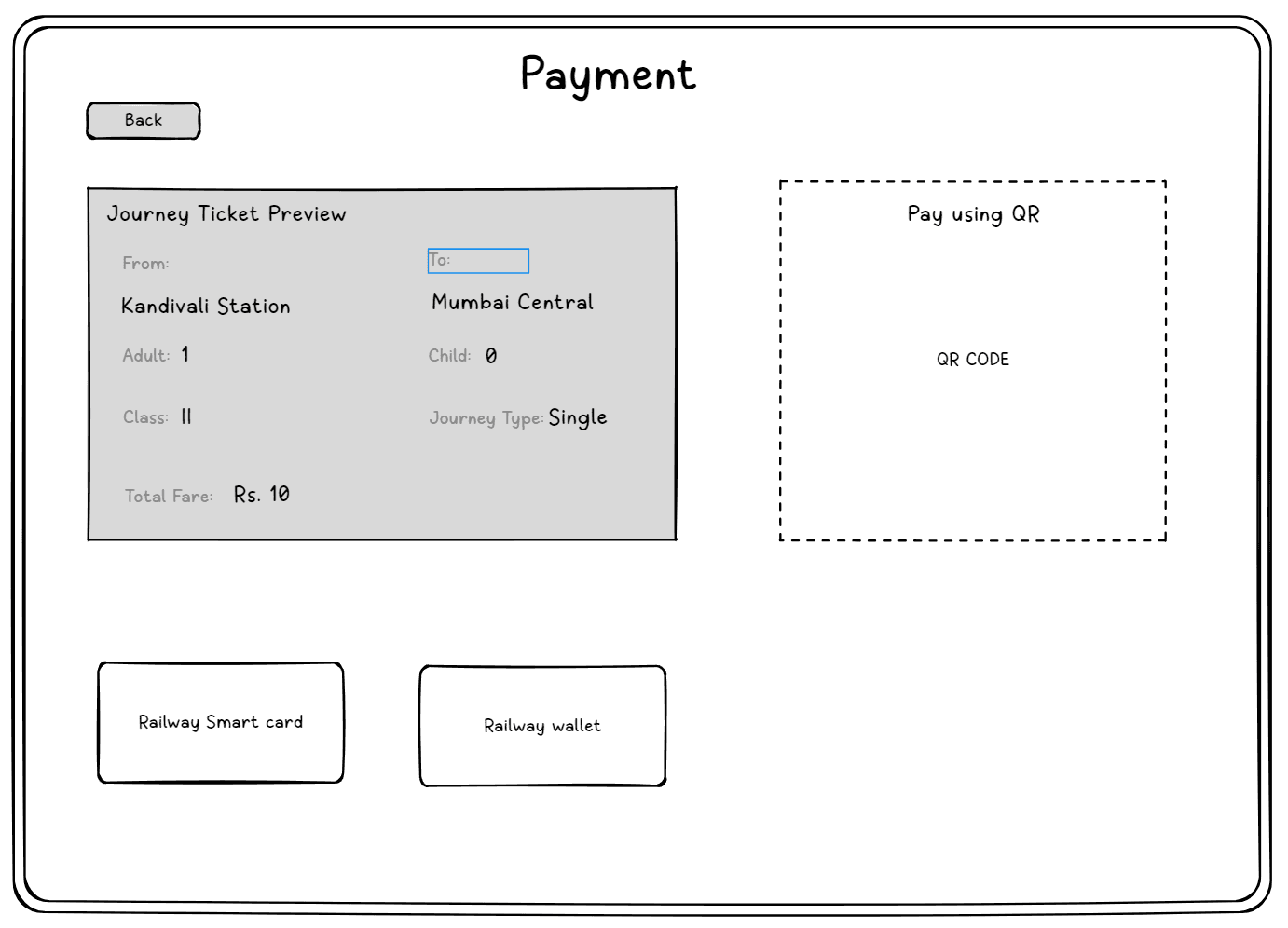
Output
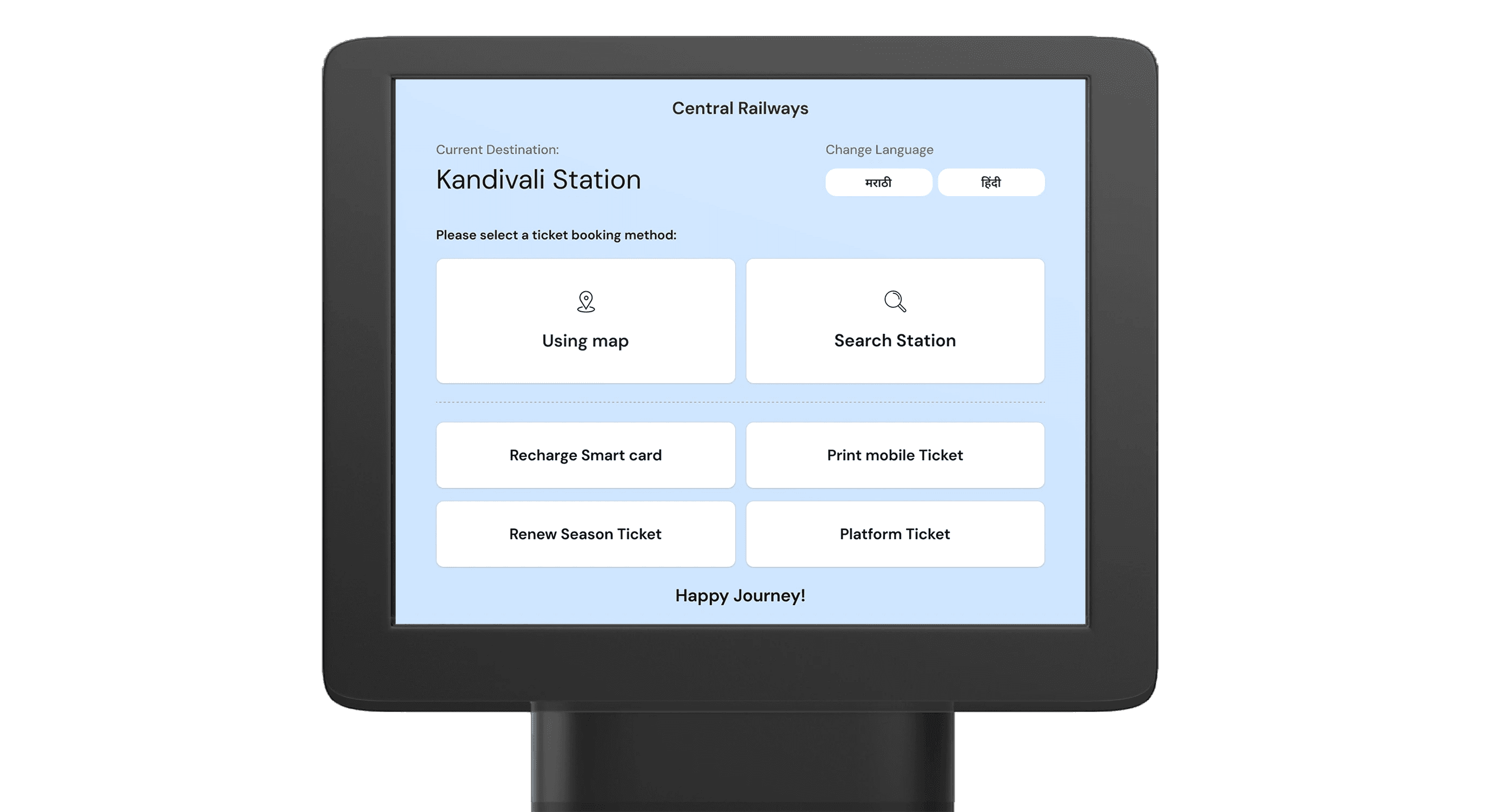
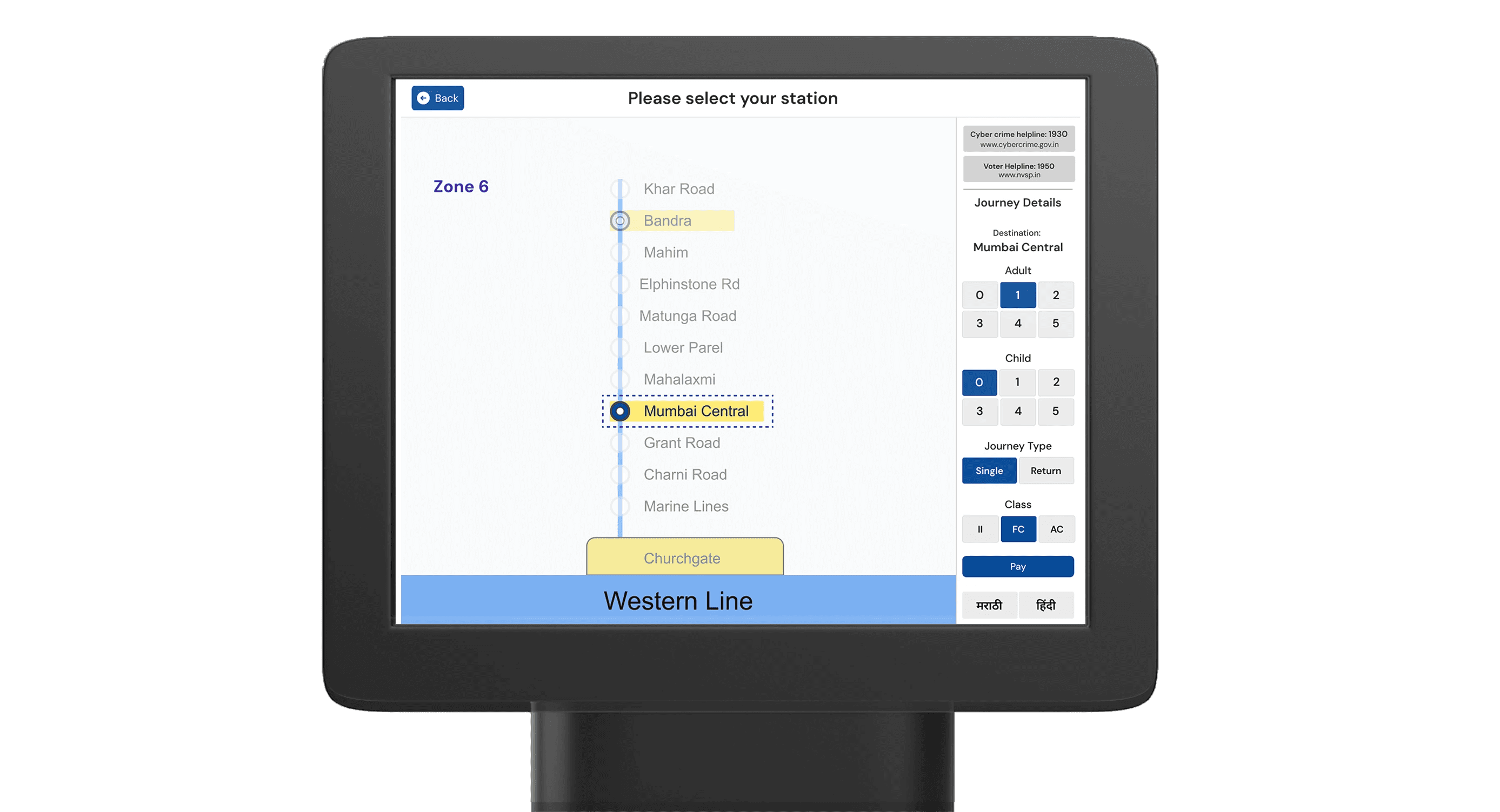
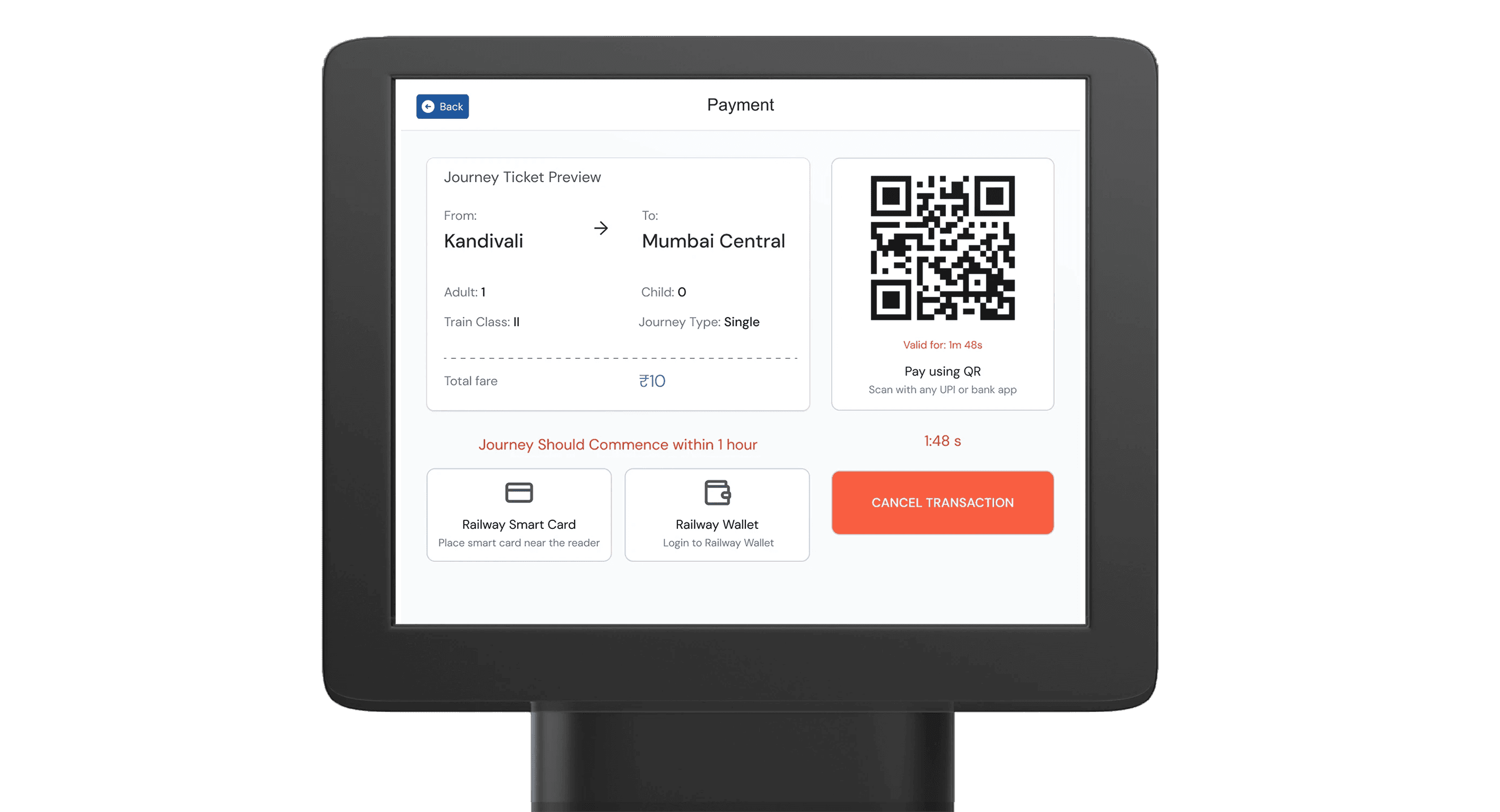
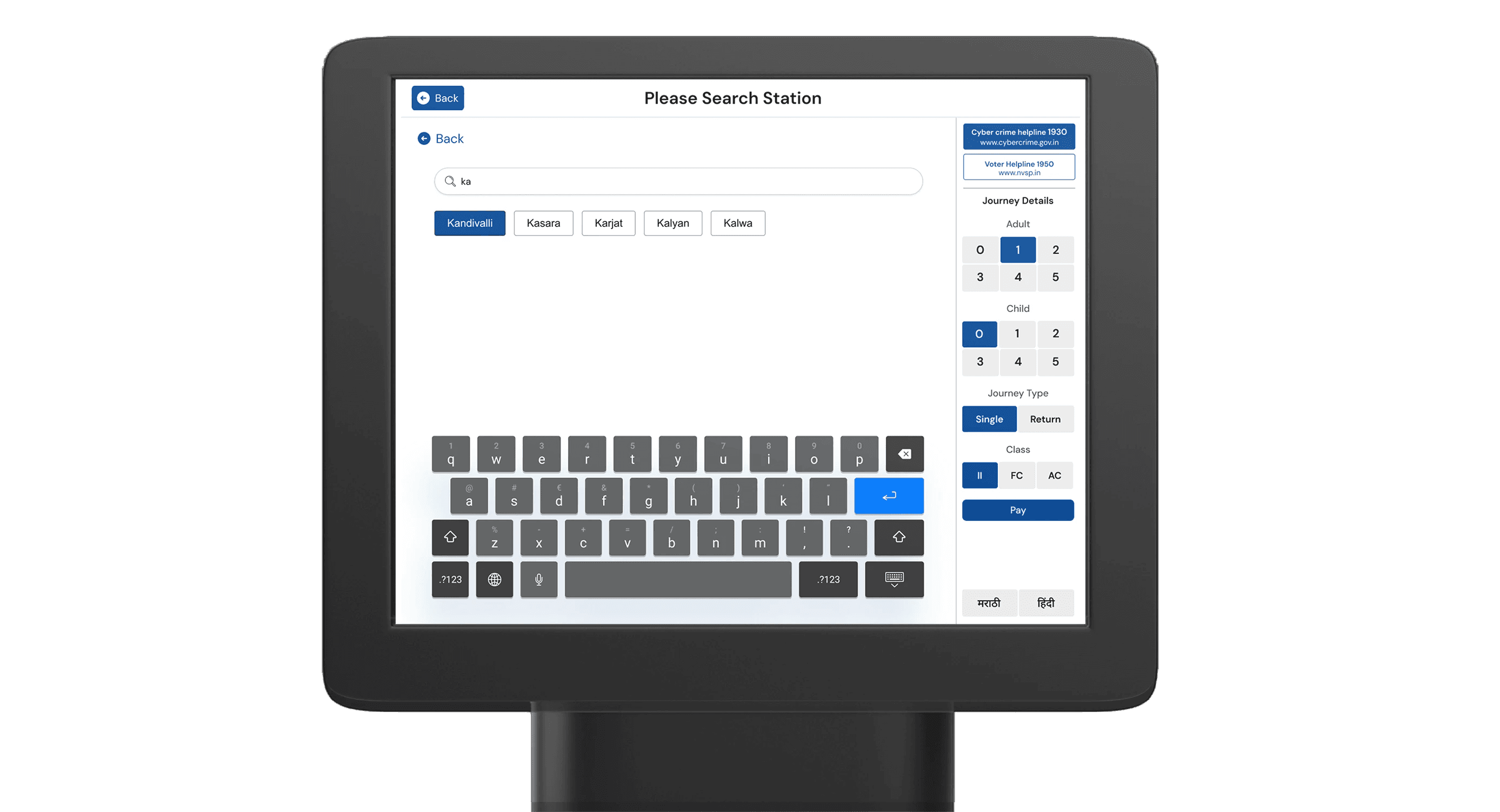
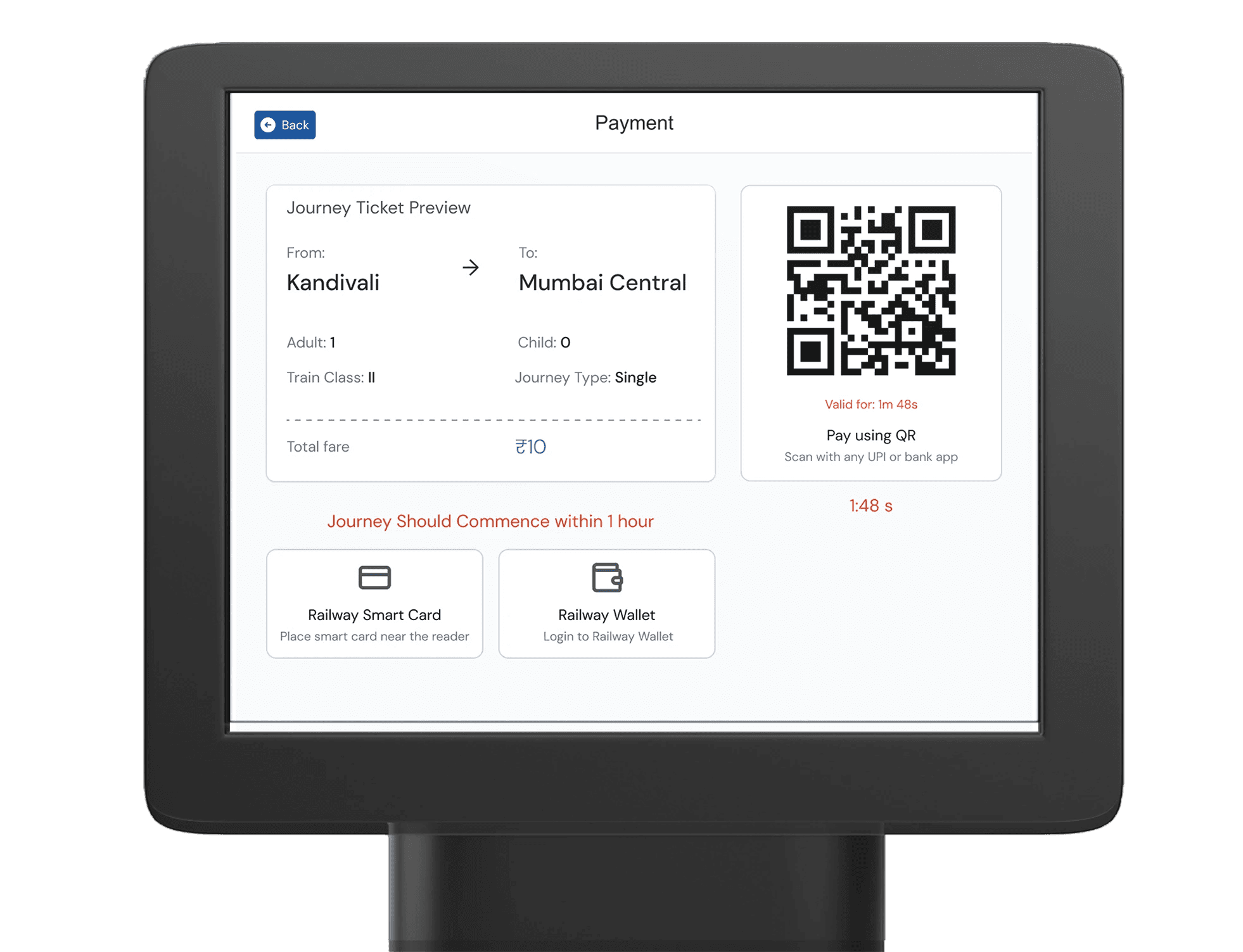
Result?
Key Learnings
Understood the importance of simplifying flows without removing functionality.
Realised how immersion and field research shape better UX decisions.